R
E
V
I
V
E
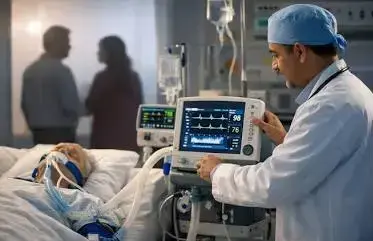
An ICU is a hospital facility designed for patients with severe health conditions who require specialized medical interventions and continuous monitoring to ensure their safety and recovery. ICU facilities are equipped with specialized technology and staffed by trained healthcare professionals who can respond rapidly to critical changes in a patient’s condition. Understanding the role and operation of an ICU can support more informed decision-making during serious medical situations.
Key Takeaways
- ICU teams include specialized physicians, nurses, and therapists.
- ICU rooms contain advanced life-support and monitoring equipment.
- Patients may be transferred to HDU or general wards after stabilization.
- ICU admission does not necessarily indicate a terminal condition.
- ICU stands for Intensive Care Unit, a facility for critically ill patients.
- Advanced therapies and life-support measures are commonly provided in the ICU.
- Round-the-clock monitoring helps ensure patient safety and effective treatment.
What Does an ICU Do in a Hospital?
An ICU provides intensive medical treatment and continuous observation for patients whose conditions are unstable or life-threatening.
Key functions include:
- Constant tracking of cardiovascular and respiratory measurements, including heart rate, blood pressure, and oxygen levels.
- Mechanical ventilation for breathing support
- Administration of critical medications
- Emergency interventions when conditions change rapidly
- Support for multiple organ systems
An ICU hospital unit operates 24 hours a day and is staffed by intensivists, ICU nurses, respiratory therapists, and other specialists.
What Kind of Patients Are in ICU?
ICU patients typically require advanced medical support that cannot be safely delivered in a standard hospital ward.
Common admissions include:
| Condition | Reason for ICU Care |
| Severe infections | Risk of organ failure |
| Heart attacks | Continuous cardiac monitoring |
| Major surgery recovery | Intensive postoperative care |
| Severe trauma | Multiple injuries requiring stabilization |
| Stroke | Neurological monitoring |
| Respiratory failure | Ventilator support |
Patients may stay in the ICU for hours, days, or several weeks depending on their medical needs.
How Is an ICU Different From Other Hospital Units?
ICU care differs from general hospital care because of its higher level of monitoring, staffing, and technology.
Comparison of Care Levels
| Unit | Level of Monitoring | Typical Patients |
| ICU | Continuous | Critically ill patients |
| HDU | Frequent | Patients requiring close observation |
| General Ward | Routine | Stable patients |
| CCU | Specialized cardiac monitoring | Heart-related conditions |
Many people also explore related topics such as ICU full form, ICU room facilities, ICU nurse responsibilities, and critical care hospital services.
Which Specialized Equipment Is Present in an ICU Setting?
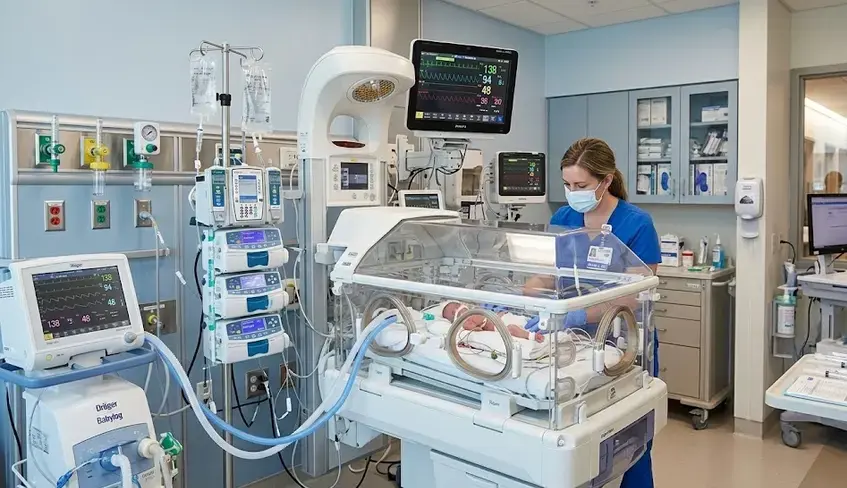
An ICU room contains specialized equipment designed to monitor and support vital body functions.
Common ICU equipment includes:
- Cardiac monitors
- Mechanical ventilators
- Infusion pumps
- Defibrillators
- Dialysis machines
- Oxygen delivery systems
This equipment enables healthcare teams to detect complications quickly and provide immediate treatment.
Who Provides Care in an ICU?
Critical care in the ICU is managed by a coordinated team of doctors, nurses, and specialists with advanced training in intensive care.
Key professionals include:
- ICU nurses
- Intensivists (critical care physicians)
- Respiratory therapists
- Pharmacists
- Physiotherapists
- Dietitians
An ICU nurse often manages a small number of patients to ensure close observation and rapid response to emergencies.
How Are Patients Monitored and Evaluated in the ICU?
ICU care involves round-the-clock assessment of a patient’s vital indicators, test results, and overall organ performance.
Healthcare teams evaluate:
- Heart rhythm
- Blood pressure
- Oxygen saturation
- Kidney function
- Neurological status
- Response to treatment
Treatment plans are adjusted frequently based on patient progress and clinical findings.
Conclusion
Designed for critically ill individuals, the ICU offers comprehensive monitoring and advanced treatment to support recovery and stabilize health conditions. Understanding patient classifications, care levels, and monitoring systems helps families navigate critical care more effectively. For broader medical terminology and healthcare context, understanding the icu full form can provide additional insight into the role of intensive care services.
FAQ
How serious is it to be in ICU?
Being in ICU usually indicates that a patient has a critical or potentially life-threatening condition requiring continuous monitoring and specialized treatment.
What does ICU mean?
The ICU refers to a specialized area within a hospital that offers comprehensive care for patients requiring constant monitoring and critical care services.
Is ICU the last stage?
No. ICU is not a disease stage; it is a level of medical care. Many patients recover and are transferred to lower-acuity hospital units.
What is ICU, CCU, and HDU?
ICU provides comprehensive critical care, CCU focuses primarily on cardiac conditions, and HDU (High Dependency Unit) offers an intermediate level of monitoring between ICU and a general ward.
How long do patients stay in the ICU?
Length of stay varies widely depending on the illness, treatment response, and overall health status, ranging from several hours to several weeks.
Sources
- https://en.wikipedia.org/wiki/Intensive_care_unit
- https://healthywa.wa.gov.au/Articles/F_I/Intensive-care-units-ICUs
- https://www.nhs.uk/tests-and-treatments/intensive-care/
- https://www.healthdirect.gov.au/what-to-expect-in-a-hospital-intensive-care-unit
- https://my.clevelandclinic.org/health/articles/icu-intensive-care-unit
- https://www.intensivecarefoundation.org.au/visiting-a-patient-in-the-icu/
- https://www.fortishealthcare.com/blogs/what-you-need-know-about-icu-full-form-meaning-and-use
- https://www.icumed.com/
- https://www.wficc.com/wp-content/uploads/2024/08/What-is-an-ICU.pdf