
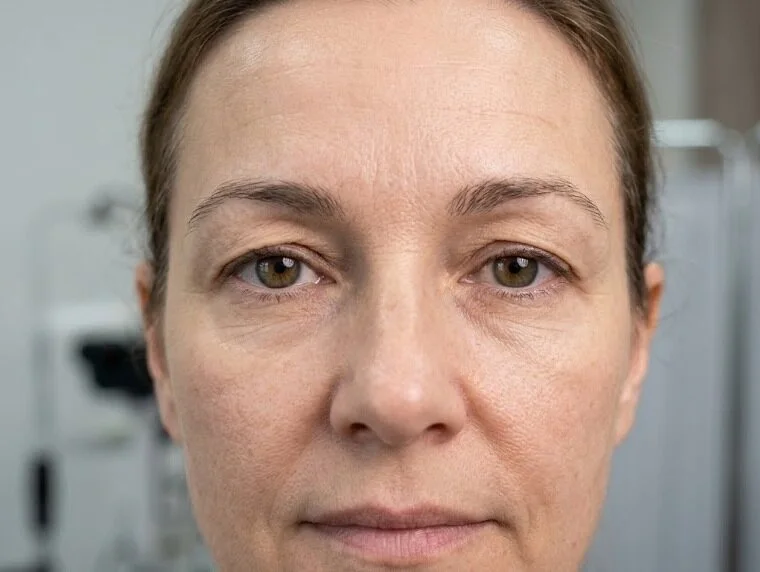
Hooded eye surgery removes excess skin that hangs over the upper eyelid, making the eye appear more open and reducing a heavy feeling in the lid. It is among the more common cosmetic procedures around the eyes, and it can improve vision for some patients.
It is not suitable for everyone. This guide covers the causes of hooded eyes, surgical and non-surgical choices, recovery, possible risks, costs and ways to select a surgeon.
Key Takeaways
- Hooded eye surgery generally refers to upper blepharoplasty, which removes extra upper-lid skin and may also take away a small amount of fat.
- A lower-positioned brow can produce a similar appearance, in which case a brow lift may be more useful than eyelid surgery.
- Many patients can return to work after several days or within a week, although bruising and swelling may take several weeks to settle.
- Dry eye is the most common side effect, so let your surgeon know if you already experience dry eyes.
- Insurance generally covers the procedure only when excess skin can be shown to interfere with vision.
- In 2024, the average surgeon fee alone was $3,000 to $5,500, not including anesthesia or facility charges.
What Causes Hooded Eyes?
Hooded eyes occur when skin folds downward over the upper-eyelid crease and partly or completely hides it. Genetics and natural eye shape are frequent reasons, including among younger adults.
As people age, the skin becomes less elastic and the area may lose volume, allowing the fold to become more noticeable. Significant weight loss can contribute as well, while a lower brow can press additional skin onto the eyelid.
Hooding should also be distinguished from ptosis. With ptosis, the edge of the eyelid is positioned too low because the muscle that lifts it is weak. Since this requires a different type of correction, an appropriate examination is important.
Non-Surgical Options to Try First
When the hooding is mild or you would rather avoid surgery for now, several treatments may reduce its appearance:
- Brow neurotoxin. By relaxing muscles that pull the brow downward, the treatment can allow the brow to rise slightly.
- Dermal filler. Restoring volume may help compensate for hollowing around the eye that develops with age.
- Laser resurfacing. This treatment may smooth crepey skin and provide some tightening.
However, these treatments do not remove extra skin. If excess skin is the main cause, hooded eyelid surgery generally provides a more dependable correction.
What Is Hooded Eye Surgery and How Is It Done?
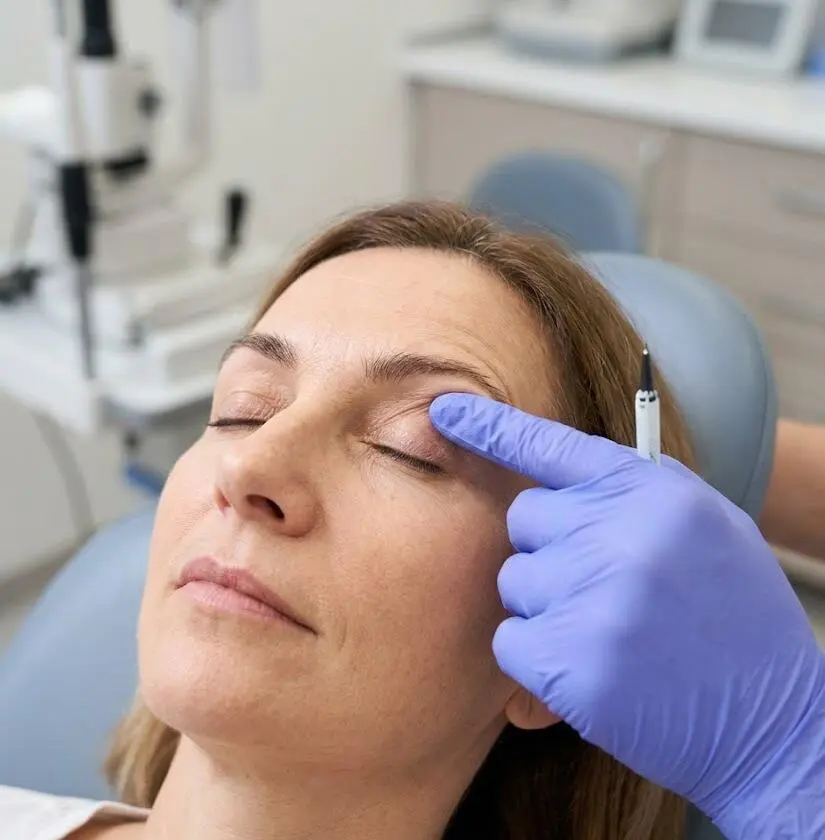
The procedure is usually an upper blepharoplasty. The surgeon marks the natural eyelid crease, creates a fine incision along it and removes excess skin. A small amount of fat or a thin portion of muscle may also be removed.
Most procedures are performed on an outpatient basis using local anesthesia with sedation. Upper eyelid surgery generally lasts about 30 to 60 minutes, after which the incision is closed with fine stitches.
In some cases, surgeons perform it alongside other procedures. A brow lift can raise a lowered brow, fat grafting can restore lost volume, and lower blepharoplasty can address bags beneath the eyes.
The appropriate combination depends on the source of the hooding. Experienced surgeons evaluate the brow, forehead and eyelids together before deciding on a treatment plan.
Who Is a Good Candidate?
You may be a good candidate if you are generally healthy, do not smoke and have realistic expectations. People who are younger can also benefit when genetics have caused their eyelids to feel heavy.
Existing eye conditions require additional consideration. Dry eye, glaucoma and thyroid eye disease can increase the chance of complications, so your surgeon may recommend against the procedure or involve an eye specialist before proceeding.
Recovery After Hooded Eye Surgery
Recovery can vary somewhat from one surgeon to another, so use this timeline only as a general guide and follow the instructions given by your own surgeon.
- First 48 hours: Swelling is usually at its strongest, and cold compresses are commonly recommended.
- About one week: Stitches are typically removed, and many patients are able to return to work.
- Weeks one and two: Bruising generally improves, and makeup may hide any remaining discoloration. Avoid contact lenses, eye makeup, rubbing the eyes and strenuous exercise until your surgeon gives you permission.
- Weeks two to four: Most people are feeling nearly back to normal.
- Months: Mild swelling and redness around the scars gradually lessen, while complete healing may take as long as a year.
Temporary blurry vision, sensitivity to light and short episodes of double vision may occur early in recovery. Use sunglasses outside and contact your surgeon if symptoms become worse rather than improving.
Risks and Side Effects of Hooded Eye Surgery
Major complications are uncommon, but every surgical procedure has risks. Dry eye is an important one to understand.
A 10-year review of 892 blepharoplasty cases found that roughly one in four patients experienced dry eye symptoms afterward. The risk was greater when both upper and lower eyelids were treated. In most cases, symptoms improve with lubricating drops and time.
Other possible problems include:
- Difficulty fully closing the eye, particularly when too much skin has been removed.
- Uneven eyelids or an irregular eyelid crease.
- Scarring along the crease, which generally becomes less noticeable over the following months.
- Infection or bleeding.
- Double vision or injury to an eye muscle, although this is uncommon.
Seek urgent medical attention for intense eye pain, sudden changes in vision or a bulging eye. Bleeding behind the eye is uncommon but can be serious.
How Much Does Hooded Eye Surgery Cost?
According to American Society of Plastic Surgeons data for 2024, the average surgeon fee for cosmetic upper blepharoplasty was $3,000 to $5,500. Anesthesia, the surgical facility and medications are not included, so the total cost is higher.
Costs may be higher in major cities or when using highly specialized surgeons. Request an all-inclusive estimate showing every charge and any planned follow-up appointments.
Will Insurance Pay?
Coverage generally applies only when the procedure is medically necessary. Cosmetic surgery is not covered, but upper eyelid surgery may qualify when drooping skin obstructs the upper field of vision.
Insurers commonly request photographs, an examination and visual-field testing, sometimes comparing normal testing with testing performed while the lids are taped upward. Because requirements differ by plan, check your insurer’s criteria before scheduling surgery.
What Results Can You Realistically Expect?
Once the swelling has settled, most people notice a more open and refreshed appearance. The change is generally modest because upper eyelid surgery refines the eyelid rather than changing the shape of the entire face.
Scars are placed within the natural crease and usually become less visible over several months. Results may remain for many years, although continued aging can eventually cause the hooding to return.
How to Choose a Surgeon and What to Ask
The quality of the result depends heavily on the surgeon, so consider a board-certified plastic surgeon or an oculoplastic surgeon with substantial eyelid experience. You can ask questions such as:
- Is the hooding mainly from excess skin, the brow, or both, and would a brow lift be useful?
- How much skin do you expect to remove, and what steps will you take to reduce the risk of dry eyes?
- Can you show me before-and-after photos of patients with eyes similar to mine?
- Where will the procedure be performed, and what type of anesthesia will be used?
- What will the complete cost be, and what would happen if a revision were needed?
Frequently Asked Questions
How long does hooded eye surgery take?
The procedure generally takes around 30 to 60 minutes, depending on whether both eyelids and additional procedures are involved. It is usually done as an outpatient procedure, so you can return home the same day.
Is hooded eye surgery painful?
The area is numbed during surgery, so pain should not be felt during the procedure. Afterward, soreness, tightness and swelling are common, and your surgeon can recommend appropriate pain relief.
How long do hooded eye surgery results last?
Many people maintain their results for years. Because aging continues, however, the eyelid skin may become droopy again later.
Does insurance cover hooded eye surgery?
Coverage is generally available only when the skin obstructs vision enough to satisfy the insurer’s requirements. Surgery performed solely for cosmetic reasons is not covered.
Can you fix hooded eyes without surgery?
Brow neurotoxin, filler or laser treatments can make hooded eyes look less pronounced, but they do not remove excess skin. For significant hooding caused by heavy skin, surgery is the more dependable option.
Bottom Line
Hooded eye surgery can make heavy or tired-looking eyes appear more open and may improve vision for some people. A successful result starts with identifying whether the cause is the skin, the brow or both, then selecting a surgeon who considers the entire upper face.
Plan for several weeks of recovery, keep the possibility of dry eye in mind and request a quote that includes all costs. This is general information rather than medical advice, so consult a qualified surgeon for guidance specific to your eyes.