
Corrective Eye Surgery, Cosmetic eye surgery
Understanding different eye surgery types helps patients feel more prepared and confident before their appointment.
Good eyesight plays an important role in your overall well-being, and today’s eye surgery techniques have become very efficient and safe for treating numerous eye diseases. Innovations in contemporary ophthalmology make eye surgery one of the safest, most accurate, and highly effective medical operations.
Eye surgery includes several surgical operations that help address issues related to vision problems, eye diseases, or vision restoration. Nowadays, with the advancement in ophthalmology, many of the eye surgeries have become quite minimalistic and fast in terms of recovery time.
Eye surgery types range from quick laser corrections to advanced lens replacements designed to restore clear vision.
Table of Contents
Key Takeaways
- Eye surgery types treat various vision conditions.
- Surgeons select options based on your needs.
- Modern procedures ensure maximum safety and comfort.
Why Is Eye Surgery Performed?
Reasons for eye surgery can include:
- For the correction of myopia, hyperopia, and astigmatism
- Removal of cataracts
- Reduction of high intraocular pressure due to glaucoma
- Repairing damaged retina
- Corneal disorders
- Improving one’s sight and life quality
- Prevention of progressive sight deterioration
Common Eye Surgery Types
Common eye surgery types include cataract removal, LASIK vision correction, and specialized glaucoma procedures.
Comparison of Common Eye Surgery Types
Several surgical procedures are available for different eye conditions.
| Surgery Type | Used For | Typical Recovery |
| LASIK | Nearsightedness, farsightedness, astigmatism | 1–2 days |
| PRK | Thin corneas and refractive errors | Several weeks |
| SILK/SMILE | Mild to moderate refractive errors | 2–5 days |
| Cataract Surgery | Cataract removal | 2–6 weeks |
| Glaucoma Surgery | Lowering eye pressure | Varies |
| Retinal Surgery | Retinal tears or detachment | Several weeks |
| Corneal Transplant | Damaged or diseased cornea | Several months |
Understanding Eye Surgery Types
Eye surgery includes a variety of procedures designed to treat different vision problems and eye conditions. The choice of surgery depends on factors such as the patient’s diagnosis, eye health, age, and lifestyle. While some procedures correct refractive errors, others treat conditions like cataracts, glaucoma, or retinal disorders. Your ophthalmologist will recommend the most suitable procedure after a comprehensive eye examination.
| Eye Surgery Type | Used For | Key Benefits |
| LASIK | Corrects myopia, hyperopia, and astigmatism | Quick procedure, rapid visual recovery, reduced dependence on glasses or contact lenses |
| PRK | Vision correction for patients with thin corneas or unsuitable for LASIK | Preserves corneal tissue, effective long-term vision correction, suitable for active individuals |
| SILK/SMILE | Treats myopia and mild astigmatism | Minimally invasive, smaller incision, faster recovery, lower risk of dry eyes in some patients |
| Cataract Surgery | Removes cloudy natural lens caused by cataracts | Restores clear vision, improves quality of life, high success rate |
| Glaucoma Surgery | Reduces elevated intraocular pressure | Helps prevent further optic nerve damage and slows vision loss |
| Retinal Surgery | Repairs retinal tears, detachments, or other retinal disorders | Preserves vision, repairs retinal damage, reduces the risk of permanent vision loss |
| Corneal Transplant | Replaces damaged or diseased corneal tissue | Improves vision, relieves discomfort, restores corneal clarity in suitable patients |
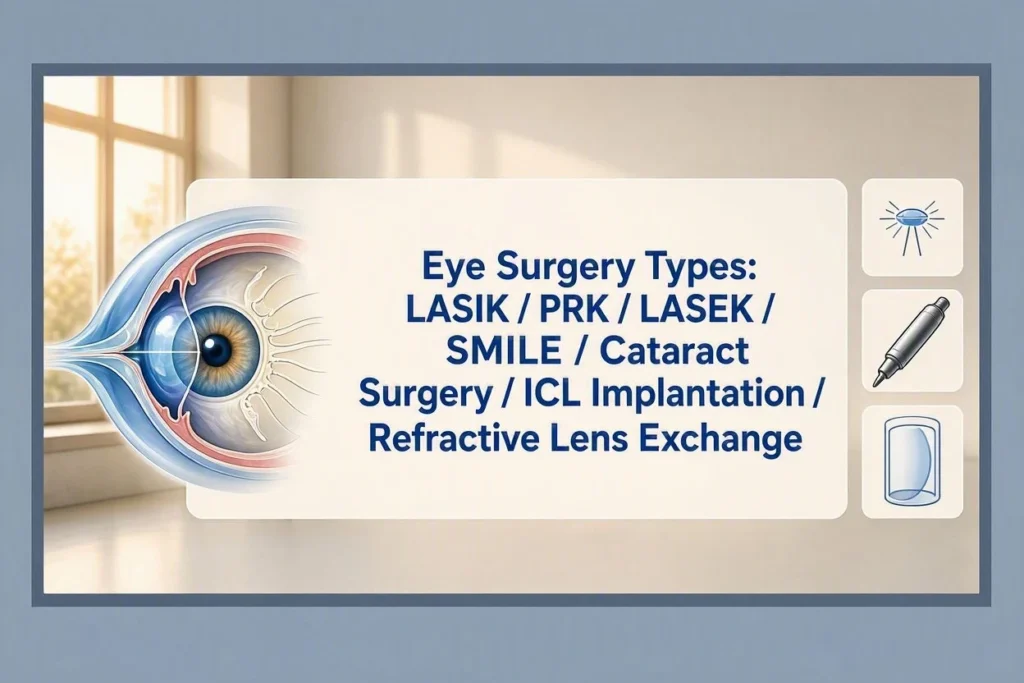
Eye Surgery Types
How Do Doctors Decide Which Surgery Is Best?
Choosing the right eye surgery involves a detailed evaluation rather than simply selecting a procedure. The medical team determines suitable eye surgery types after evaluating your complete health and medical history.
Factors considered include:
| Evaluation Factor | Why It Matters |
| Eye condition | Determines the appropriate treatment |
| Corneal thickness | Important for laser vision correction |
| Eye prescription | Helps select suitable refractive surgery |
| Age | Some procedures have age-related recommendations |
| Eye pressure | Essential in glaucoma management |
| Retina health | Influences surgical planning |
| Medical history | Identifies conditions affecting healing |
An ophthalmologist will recommend the most appropriate procedure after reviewing all these factors.
Benefits and Risks of Different Types of Eye Surgery
Most modern eye surgeries have high success rates when performed by an experienced ophthalmologist. However, like any surgical procedure, they have both benefits and potential risks.
Benefits of Eye Surgery
| Benefit | How It Helps |
| Improved vision | Corrects refractive errors or restores vision affected by eye diseases. |
| Better quality of life | Reduces difficulty in reading, driving, and performing daily activities. |
| Quick procedures | Most eye surgeries are completed within 15–30 minutes. |
| Faster recovery | Many patients resume routine activities within a few days, depending on the procedure. |
| Advanced technology | Modern laser systems and microsurgical instruments improve precision and safety. |
Possible Risks
Recovery timelines depend on specific eye surgery types, though most allow a fast return to daily life. While rare, possible complications are as follows:
- Blurred vision temporarily
- Infection
- Inflammation
- Eye pressure
- Inaccurate correction
- Retinal problems (rare)
- Possible need for more treatments in some instances
These complications will be explained by your ophthalmologist according to your particular eye condition and the type of procedure recommended for you.
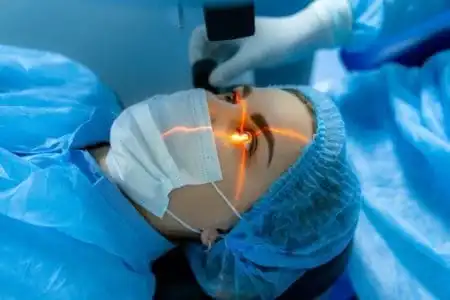
Typical Recovery Timeline
| Procedure | Vision Improvement | Complete Healing |
| LASIK | 24–48 hours | 1–3 months |
| PRK | Several days to weeks | Up to 3 months |
| SILK/SMILE | 2–5 days | 1–3 months |
| Cataract Surgery | Within a few days | 4–6 weeks |
| Glaucoma Surgery | Varies | Several weeks |
| Retinal Surgery | Gradual | Few months |
To Conclude
Eye surgery involves different types of surgeries that are carried out with the aim of correcting various vision problems and eye conditions. Different types of surgeries can be carried out, including LASIK and PRK, among others, depending on the patient’s eye condition.
Knowing about the different types of surgery available and how it is done can give you peace of mind when making your choice.
The selection of the most suitable surgery is done after conducting a careful eye examination. The qualified ophthalmologist advises the patient about different procedures that he can go for. After that, the patient becomes aware of what to expect from the selected surgery, its benefits, risks, and the recovery process involved.
Need a professional eye check-up? Book an appointment with the team of professionals at Revive Nursing Home who will offer you a personalized assessment and identify the best treatment plan for your eyes.
Frequently Asked Questions
1. Which type of eye surgery is mostly performed in India?
LASIK is among the most common eye surgeries used in the correction of refractive errors, whereas cataract eye surgery is the most common eye surgery done to correct vision problems due to aging.
2. How do I find out what eye surgery is best for me?
The choice of eye surgery is dependent on the eye condition, cornea thickness, age, lifestyle, and eye health. This is established by an eye examination.
3. Is eye surgery painful?
Most eye operations are done either using local anesthesia or numbing eye drops. The patient might have mild pressure or discomfort during the operation but does not normally feel any pain.
4. How long is an eye surgery?
It often takes about 15 to 30 minutes for each eye, although the amount of time you spend at the hospital might be longer.
Also Read: Glaucoma Eye Surgery