
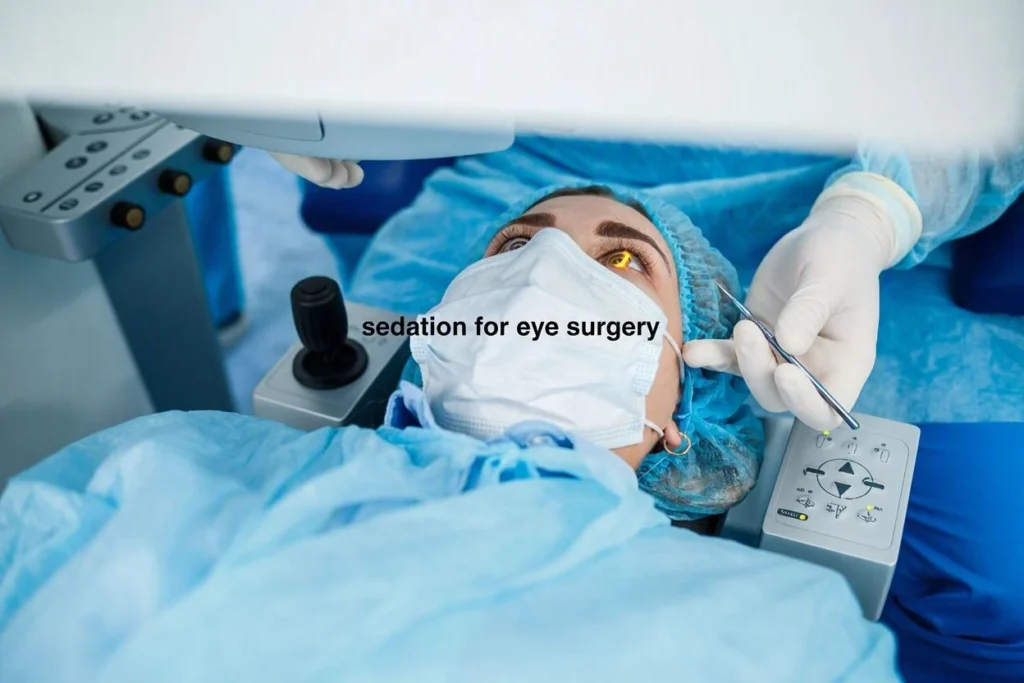
Sedation for eye surgery ensures a completely comfortable, pain-free procedure while allowing you to remain calmly relaxed throughout the process. Understanding the way the sedation works might help you feel more confident going into the surgery.
Clear vision plays a crucial part in leading an active and independent life. In case your physician has advised you to undergo surgery for your eyes, it is natural to be afraid of the whole ordeal, especially the fear of pain.
The great thing is that contemporary ophthalmologic surgery focuses mainly on the comfort of the patients. With the help of local anesthesia and mild sedation, the doctors make sure that you are comfortable and pain-free throughout the entire procedure.
Key Takeaways
- Sedation for eye surgery maximizes patient comfort.
- Local anesthesia prevents pain during your procedure.
- Fasting guidelines depend on your chosen sedation.
What Is Sedation for Eye Surgery?
Sedation involves the use of medicine to make the patient relaxed and comfortable during the operation. This usually goes together with local anesthesia that makes the eyes numb such that there will be no pain during the process.
Whereas general anesthesia involves making the patient unconscious during the operation, with sedation the patient is usually awake but relaxed throughout the procedure. This depends on the kind of operation being conducted and the health condition of the patient.
Sedation for Eye Surgery – Types of Anaesthesia
Choosing sedation for eye surgery helps alleviate patient anxiety and keeps you relaxed during the entire procedure. Different eye surgeries require different forms of anaesthesia and sedation.
| Type | How It Works | Commonly Used For |
| Local Anaesthesia | Numbs the eye using eye drops or injections while the patient remains actually awake. | Cataract surgery, glaucoma surgery, retinal procedures |
| Mild (Conscious) Sedation | Medication helps the patient relax while remaining responsive. | Cataract surgery, LASIK, minor eye procedures |
| General Anaesthesia | The patient is fully asleep while the procedure is performed. | Children, complex surgeries, patients unable to remain still |
Most routine eye surgeries are performed using local anaesthesia with mild sedation, making the procedure safe and comfortable.
Benefits of Sedation for Eye Surgery
Most patients undergoing sedation for eye surgery remain awake, responsive, and able to follow simple instructions. Sedation offers several advantages for both patients and surgeons.
| Benefit | How It Helps |
| Reduces anxiety | Helps patients remain calm during treatment |
| Improves comfort | Minimizes stress and discomfort during the procedure. |
| Supports patient cooperation | Makes it easier to remain still throughout surgery. |
| Quick recovery | Mild sedation usually wears off within a few hours. |
| Safe for most patients | Carefully monitored by trained healthcare professionals. |
What to Expect on the Day of Surgery
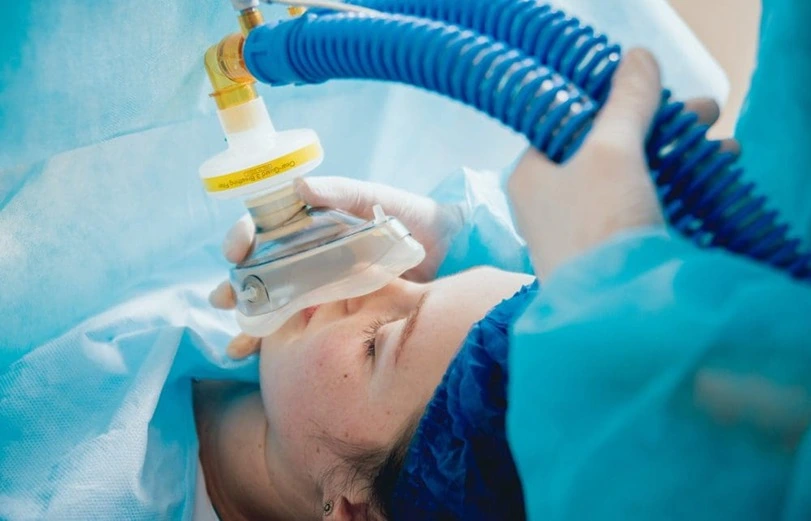
Preparing for sedation for eye surgery typically requires reviewing your medical history and following fasting instructions. Before any sedation is provided, your medical history, medicines, and allergies will be evaluated by your healthcare providers.
During Surgery
The administration of sedation for eye surgery is carefully monitored by healthcare professionals to guarantee safety.
- Your vitals will be monitored throughout the surgery.
- Anesthesia will help you lose feeling in the eye.
- Sedation will be given to you via the IV drip, if necessary.
- You may feel at ease or sleepy, but you will normally be able to follow simple instructions.
- Most eye surgeries are done in 15 to 45 minutes.
Recovery After Sedation
The recovery period is usually fast, but it is important to take into consideration the advice given by your doctor after the procedure.
Post-Surgery
- Have a rest during the rest of the day.
- If sedation was involved, you need to arrange somebody who will drive you home.
- Do not drive or operate any machines for 24 hours or more.
- Take medication as prescribed.
- Visit your follow-up appointment.
Patients usually have no trouble resuming their daily activities in one to two days time, depending on the kind of surgery done.
Sedation Safety Checklist
Before your procedure, ensure the following have been discussed with your healthcare team.
| Checklist | Status |
| ✓ Medical history reviewed | ✓ |
| ✓ Current medications discussed | ✓ |
| ✓ Allergies disclosed | ✓ |
| ✓ Fasting instructions followed (if advised) | ✓ |
| ✓ Transportation arranged after surgery | ✓ |
| ✓ Consent form completed | ✓ |
Final Thoughts
Sedation methods developed in modern times have made eye surgery a painless and stress-free procedure. Through the combination of local anesthesia and sedation, your medical care team will ensure that you remain comfortable throughout the procedure performed by your doctor. Being aware of how the process of sedation unfolds reduces any worry associated with the treatment and enables you to concentrate on getting well.
Are you ready for comfortable eye treatment? Contact the experienced ophthalmology specialists at Revive Nursing Home today.
Frequently Asked Questions
1. Will I be unconscious during my eye operation?
No. Most eye operations are done under local anaesthetic with light sedation, so that you stay awake throughout the process.
2. Is sedation safe during eye surgery?
Yes. Sedation for eye surgery is generally safe if used and controlled by medical professionals. Your medical history is checked to see which option is best suited for you.
3. Will I feel any pain during the eye surgery?
Your eye is going to be numb during the local anaesthetic, so you won’t feel any pain during the operation. However, you can feel some pressure and movement.
4. Can I have something to eat before my eye operation?
It depends on the choice of anaesthesia or sedation that is going to be used in your case.
Also Read: DALK Eye Surgery